
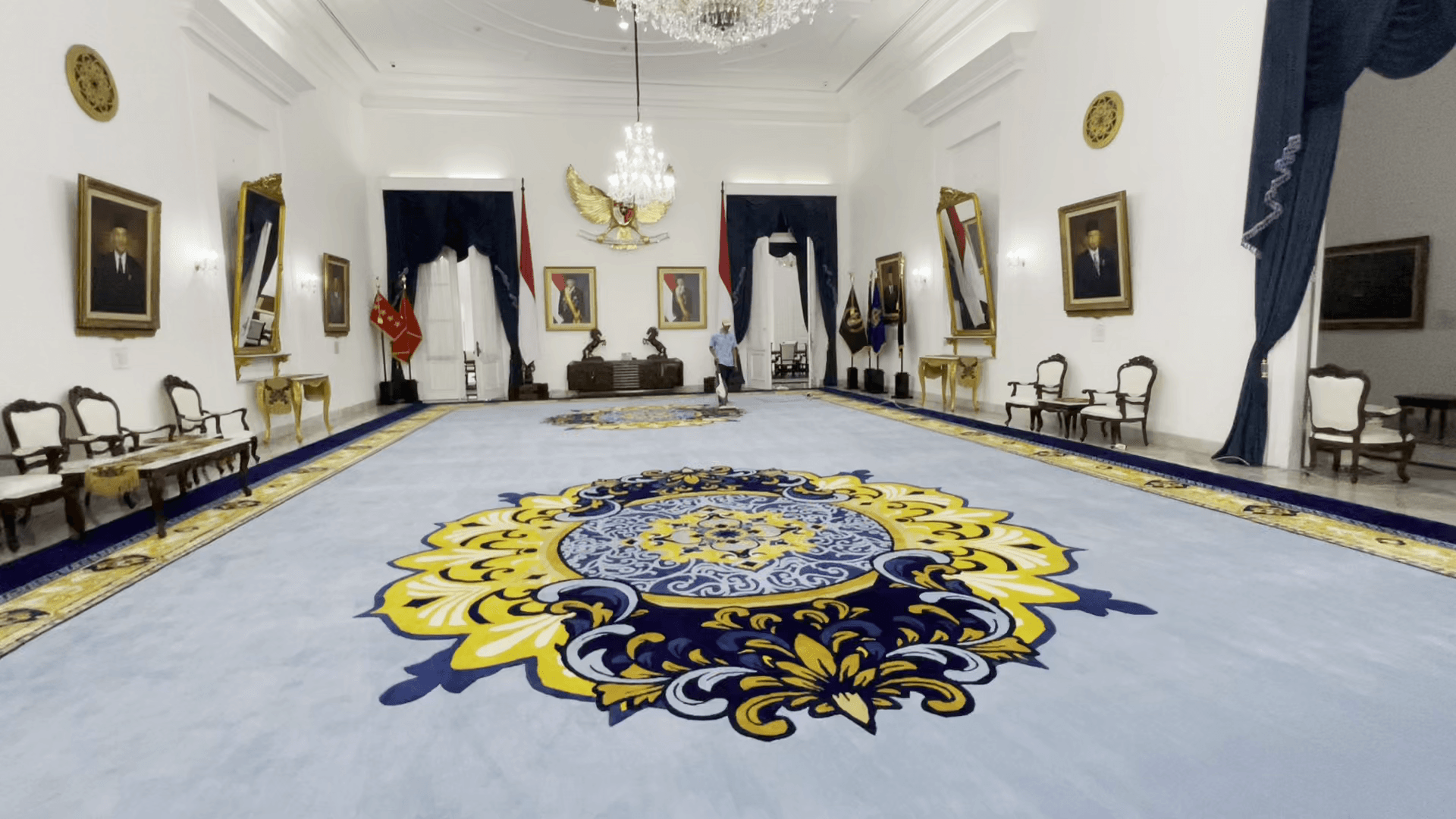

A custom carpet design guide should cover much more than colors and patterns. When you order a custom carpet, you can control important details such as size, material, yarn type, thickness, layout, and overall appearance.
Many buyers start with a simple question: “What design should I choose?”
However, design represents only one part of the decision.
A well-planned carpet should also fit the room, match its traffic level, support daily maintenance, and meet the available budget.
Therefore, you should evaluate the complete product before approving a final design.
Why Choose Custom Carpet?
Standard carpets cannot always fit unusual rooms or specific branding requirements.
Custom carpets give you more control over the final result.
You can adjust the size, shape, colors, patterns, and other specifications according to the space.
This flexibility can benefit offices, hotels, retail stores, restaurants, religious buildings, and other commercial environments.
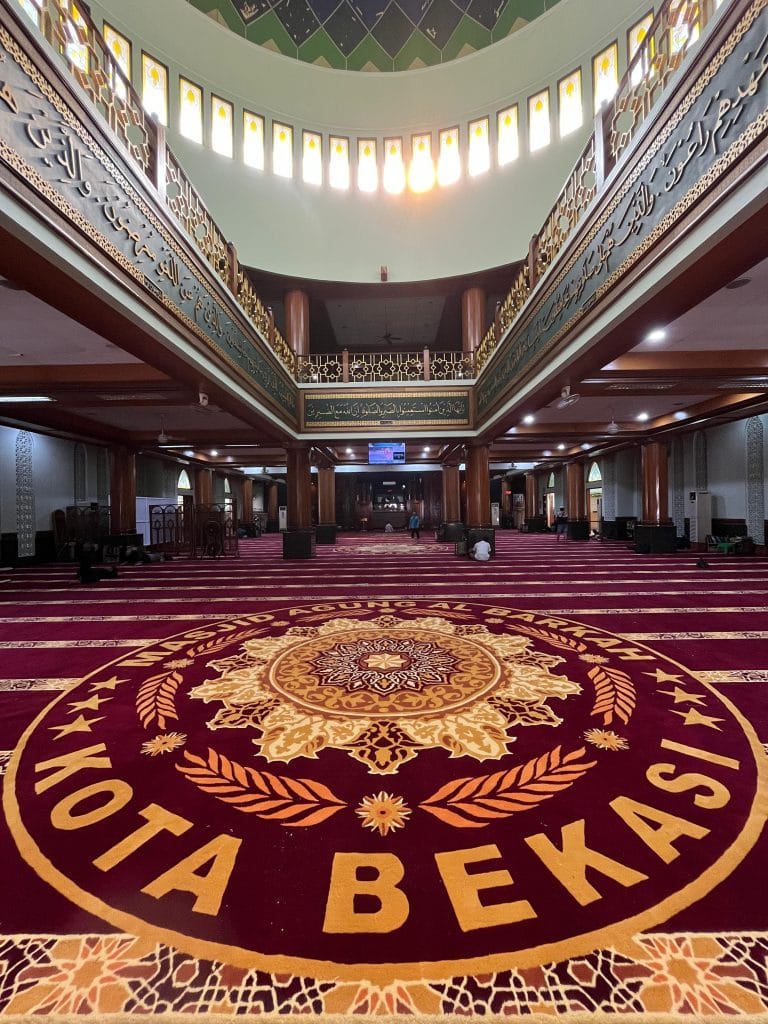
For example, a company can incorporate brand colors into a carpet design. Meanwhile, a mosque can create a prayer layout that follows the dimensions of its prayer hall.
Therefore, custom production can solve practical problems while also improving the interior appearance.
Start With the Room, Not the Pattern
Before choosing a design, measure the room.
Record the floor's length and width. Then, identify columns, doors, corners, furniture, and other permanent features.
These details can affect the final carpet layout.
Next, determine how much floor coverage you need.
A large commercial space may require a different solution from a small office or reception area.
Therefore, accurate measurements should come before the design stage.
Poor measurements can create unnecessary seams, gaps, or installation problems.
Consider Carpet Size and Layout
Carpet size affects both appearance and cost.
A carpet that covers too little space can make the room look fragmented. On the other hand, excessive coverage can increase material use and installation costs.
Custom production allows you to create a more precise fit.
You can also plan the direction of patterns and seams before manufacturing begins.
For large areas, consider whether a roll carpet would provide a cleaner appearance.
For smaller replaceable sections, carpet tiles can offer more flexibility.
Therefore, choose the format based on the room's function and maintenance needs.
Material Changes the Carpet Experience
The right material can influence comfort, durability, appearance, and maintenance.
Wool can create a premium feel and natural appearance. Acrylic can provide a soft surface while offering a synthetic alternative.
Other synthetic materials can provide different levels of stain resistance and durability.
However, no material automatically works best for every project.
A busy retail store may need a different solution from a luxury hotel lobby.
Therefore, compare each material against the environment where you will install the carpet.
Do Not Ignore Yarn Type
The yarn type can affect softness, color appearance, resilience, and cleaning requirements.
Manufacturers use different fibers and yarn constructions to achieve specific performance characteristics.
Therefore, ask your supplier about the yarn before you finalize the order.
You should also ask how the yarn will respond to daily foot traffic.
A carpet may look attractive when new but perform poorly when the yarn cannot handle the expected traffic.
For this reason, the best yarn should match the project's actual requirements.
Thickness Affects Comfort and Performance
Carpet thickness also deserves attention.
A thicker carpet can provide a softer feel. However, excessive thickness can create practical problems around doors, furniture, and cleaning equipment.
Therefore, choose thickness according to the room's function.
A commercial corridor may need a different thickness from a luxury lounge.
Likewise, a mosque may prioritize cushioning and comfort because worshippers directly use the carpet during prayer.
Think About Maintenance Before Buying
A beautiful carpet still needs regular care.
Therefore, consider maintenance before you approve the final specification.
Ask the supplier about vacuuming, spot cleaning, and professional washing.
Different materials can require different cleaning methods.
For example, some natural or delicate fibers need more careful moisture control.
A suitable maintenance plan can help preserve the carpet's appearance and extend its useful life.
You can also use practical tips for maintaining mosque carpet when managing carpets in religious spaces. This guide covers additional cleaning and care practices: mosque carpet maintenance tips.
Custom Carpet Does Not Mean Unlimited Design
Custom production gives you flexibility, but you still need to respect practical limitations.
Complex patterns can require more production work.
Certain materials may also limit specific design effects.
Likewise, very detailed patterns may require careful installation to maintain visual alignment.
Therefore, communicate your expectations clearly with the manufacturer.
Share the room dimensions, preferred colors, intended use, traffic level, and maintenance expectations.
This information helps the manufacturer recommend a realistic solution.
What About Custom Carpet Price?
The price of custom carpet depends on several factors.
Manufacturers may consider:
- Carpet size
- Material
- Yarn type
- Thickness
- Density
- Design complexity
- Production quantity
- Installation requirements
Therefore, two carpets with similar patterns can have very different prices.
Do not compare quotations based only on the total number.
Instead, compare the specifications behind each quotation.
This approach gives you a clearer picture of what you actually receive for your budget.
When Should You Choose Custom Carpet?
Custom carpet makes sense when standard products cannot meet your requirements.
Consider it when you need:
- A specific room size
- A unique design
- Brand-specific colors
- A specialized layout
- A particular material
- A specific thickness
- A coordinated interior concept
However, custom production may not make sense for every project.
If you only need a simple carpet for a standard room, an off-the-shelf product may offer better value.
Therefore, compare your requirements before choosing custom production.
Final Thoughts
A custom carpet design guide should go far beyond pattern selection.
Start with accurate measurements. Then, consider size, length, material, yarn type, thickness, traffic, maintenance, and budget.
Next, evaluate whether you need custom carpet, roll carpet, or carpet tiles.
Finally, work with a manufacturer that can explain how each specification affects the finished product.
A good custom carpet does more than decorate a room.
It connects design with function, comfort, durability, and long-term value.