
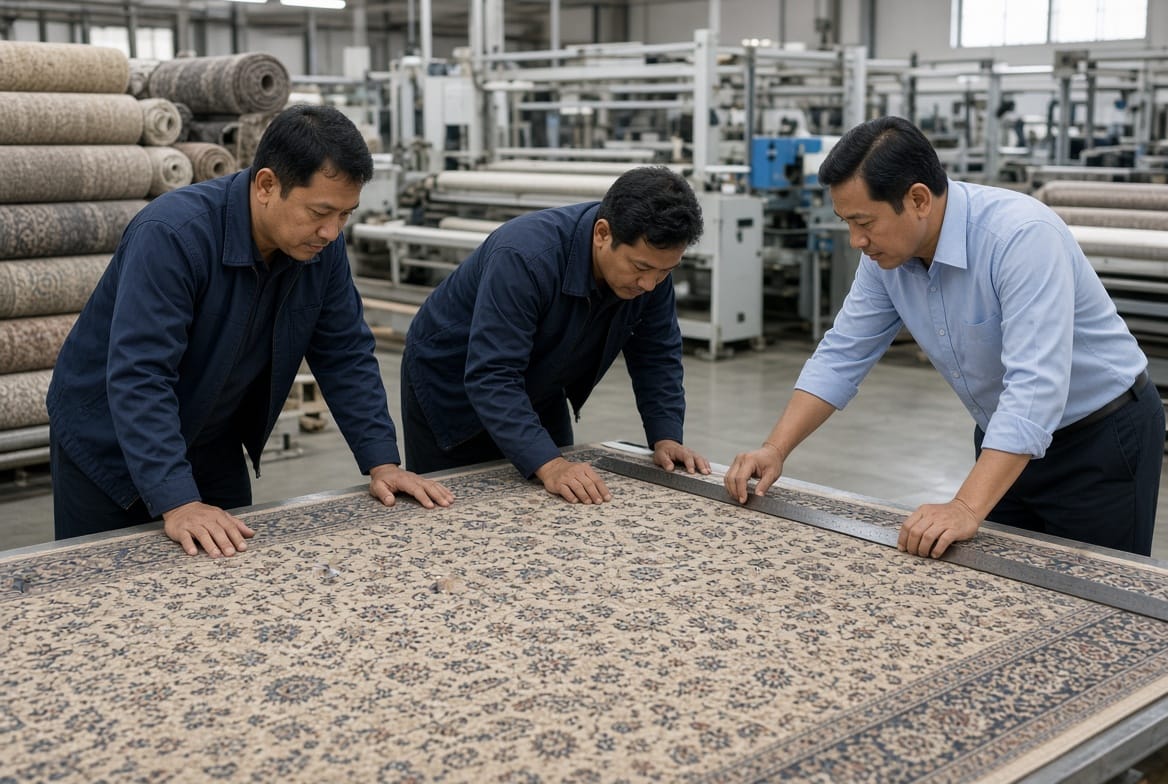

Custom carpet can transform an interior design concept into a finished flooring solution that matches a project's specific requirements. Hotels, offices, mosques, ballrooms, restaurants, and commercial spaces often require carpet designs that standard products cannot provide.
But how does a custom carpet actually go from an idea on a screen to a finished product?
The custom carpet manufacturing process involves several stages, including design development, material selection, sampling, production, quality control, finishing, and delivery.
Understanding these stages can help architects, interior designers, contractors, and buyers plan their projects more effectively.
1. Understanding the Project Requirements
Every custom carpet project starts with understanding the application.
The manufacturer needs to know where the carpet will be installed and how the space will be used.
Important information can include:
- Project type
- Room dimensions
- Expected foot traffic
- Interior concept
- Required colors
- Desired pattern
- Material preferences
- Installation conditions
- Quantity requirements
- Delivery destination
A hotel corridor, for example, may require different specifications from a private office or a decorative ballroom.
Clear project information gives the manufacturer a better foundation for developing the product.
2. Developing the Carpet Design
The next stage involves developing the visual concept.
Architects and interior designers may provide drawings, renderings, CAD files, mood boards, pattern references, or other design materials.
The manufacturer reviews these references and evaluates how the design can translate into an actual carpet.
Pattern scale matters at this stage.
A design that looks balanced on a computer screen may appear very different when produced across a large floor. The manufacturer and designer may therefore adjust proportions, repetition, colors, or other elements before production.
3. Selecting Materials
Material selection depends on the project's requirements.
The manufacturer considers factors such as traffic, comfort, appearance, maintenance, durability, and budget.
Different materials can produce different textures and visual characteristics.
For commercial applications, the project team should evaluate the expected environment rather than selecting a material based only on appearance.
The right material should support the intended use of the carpet.
4. Developing Colors
Color development is another important stage.
Designers may provide specific color references or request a custom combination.
However, digital colors do not always appear exactly the same on physical textile materials.
Manufacturers may therefore develop physical color references or samples before final approval.
Lighting also affects how carpet colors appear. A sample should ideally be reviewed under lighting conditions similar to the final installation environment.
5. Creating a Physical Sample
Before large-scale production begins, manufacturers can create a sample for approval.
A physical sample allows the project team to evaluate:
- Color
- Pattern
- Texture
- Material
- Thickness
- Surface appearance
The approved sample becomes an important reference for the production team.
For large projects, sample approval can help reduce the risk of producing a finished carpet that does not match the design team's expectations.
Baca Juga Karpet Masjid Custom: Pilihan Motif, Ukuran, dan Material
6. Preparing for Production
Once the design and specifications receive approval, the manufacturer prepares the production process.
The team reviews the final technical information and determines the production requirements.
This stage can include material preparation, production planning, pattern preparation, sizing, and scheduling.
For large commercial projects, production planning also needs to consider the required quantity and delivery timeline.
7. Manufacturing the Carpet
The manufacturing stage transforms the selected materials into the finished carpet.
The exact process depends on the carpet type, material, construction, and design.
During production, manufacturers monitor the product to maintain consistency with the approved specifications.
Large projects require particular attention to color consistency, pattern accuracy, dimensions, and surface quality.
8. Quality Control
Quality control helps ensure that the finished carpet matches the agreed specifications.
Inspection can include checking:
- Color consistency
- Pattern accuracy
- Dimensions
- Surface condition
- Material quality
- Finishing
- Packaging
The specific inspection process varies depending on the product and project requirements.
For international commercial projects, consistent quality becomes especially important because the carpet may travel long distances before reaching the installation site.
9. Finishing and Preparation
After production and inspection, the carpet goes through the required finishing and preparation stages.
The manufacturer prepares the product according to the project's delivery and installation requirements.
Large carpet sections may require careful handling and packaging to protect the material during transportation.
Proper preparation helps reduce the risk of damage before the carpet reaches the project site.
10. Packaging and Delivery
Transportation is the final stage before installation.
The manufacturer needs to consider the destination, quantity, packaging requirements, and shipping arrangements.
International projects may require additional coordination between the manufacturer, freight company, buyer, and project team.
Clear documentation and packaging instructions can help make the delivery process more organized.
Why Communication Matters
Custom carpet manufacturing involves multiple decisions.
Designers focus on appearance. Contractors focus on installation. Procurement teams focus on specifications, quantity, cost, and delivery. Manufacturers need to translate all of these requirements into a practical production process.
Clear communication between these parties can reduce misunderstandings.
Providing accurate dimensions, approved references, technical specifications, and delivery requirements helps keep the project aligned from design through production.
Custom Carpet for Different Projects
Custom manufacturing can support many types of projects.
Hotels
Hotels may require custom carpet for lobbies, corridors, restaurants, ballrooms, and guest areas.
Offices
Corporate interiors can use custom designs to complement company branding and architectural concepts.
Mosques
Mosque carpet projects can require specific colors, patterns, dimensions, and prayer-row layouts.
Ballrooms
Large event spaces can use custom carpet to create a distinctive interior environment.
Retail and Commercial Spaces
Retail stores and commercial buildings can use carpet to create visual zones and strengthen their interior identity.
Choosing a Custom Carpet Manufacturer
The manufacturer can have a significant influence on the final result.
Before starting a project, buyers should evaluate:
- Manufacturing capabilities
- Available materials
- Customization options
- Sampling process
- Quality control
- Production capacity
- Packaging
- Delivery capabilities
- Experience with commercial projects
For international buyers, it is also useful to discuss shipping requirements and project documentation before production begins.
Conclusion
The custom carpet manufacturing process involves much more than producing a pattern.
It starts with understanding the project and continues through design development, material selection, color development, sampling, production, quality control, finishing, and delivery.
For architects, interior designers, contractors, developers, and procurement teams, understanding this process can make project planning easier and improve communication with the manufacturer.
A well-managed custom carpet project connects creative design with practical manufacturing requirements, resulting in a flooring solution developed specifically for its intended environment.
HJ Karpet provides custom carpet solutions for commercial, hospitality, religious, and interior projects, with product specifications developed according to individual project requirements.