
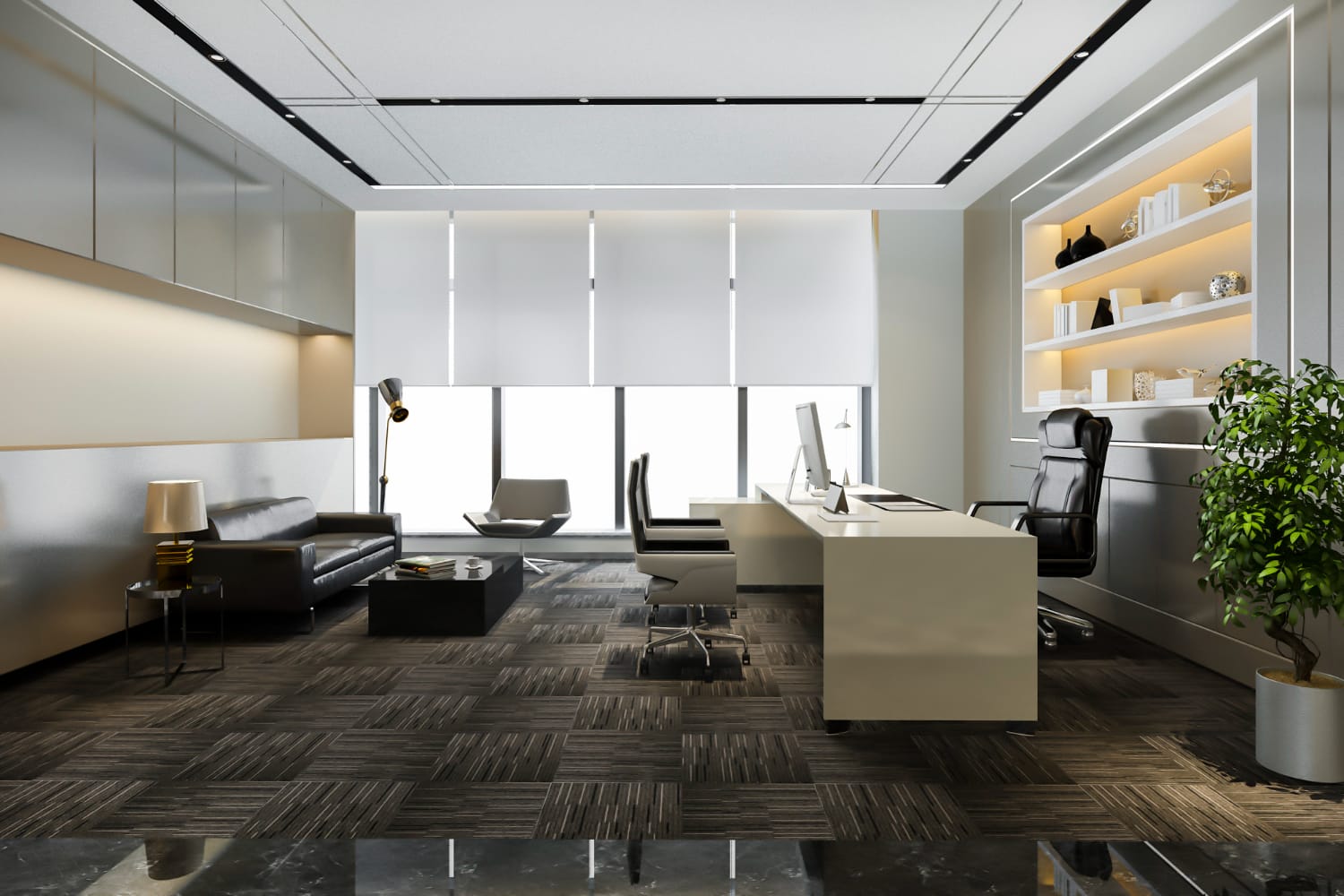

One of the biggest carpet tile replacement benefits comes from a simple idea: you do not need to replace an entire room when only one section becomes damaged.
Traditional carpets often require larger replacement work. By contrast, carpet tiles let you remove and replace individual sections.
This feature can reduce disruption, simplify maintenance, and help businesses control long-term flooring costs.
However, easy replacement represents only one advantage.
Carpet tiles can also provide flexibility in design, installation, cleaning, and future renovation.
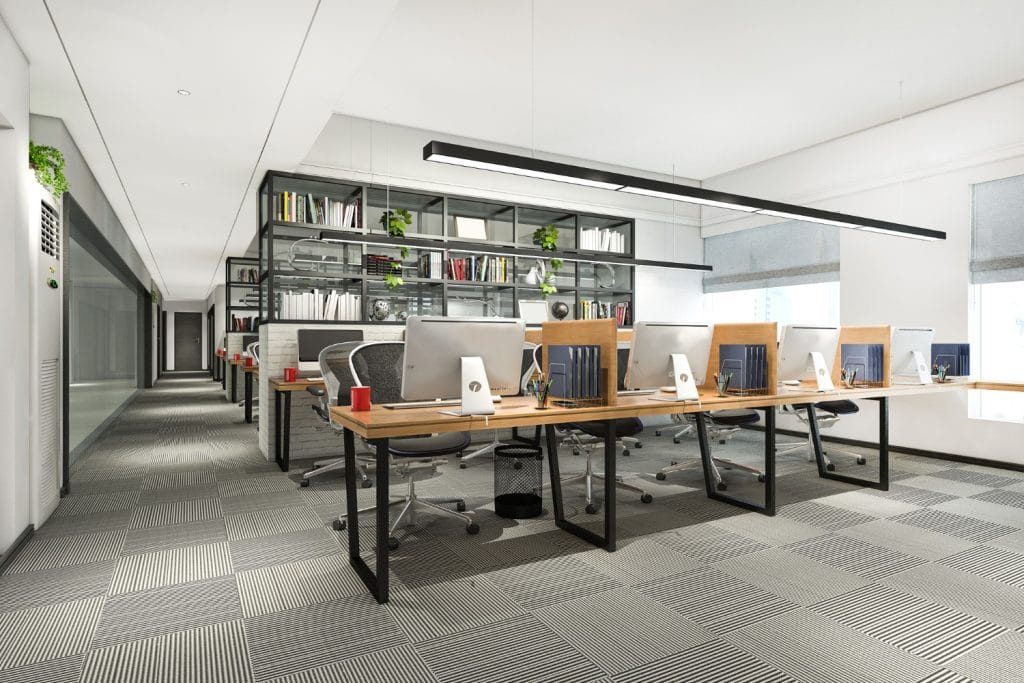
What Are Carpet Tiles?
Carpet tiles consist of individual carpet sections that installers place together to cover a floor.
Manufacturers produce them in different sizes, colors, patterns, materials, and thicknesses.
This modular structure gives businesses more control over their flooring.
For example, an office can replace one damaged tile without removing the entire floor.
Therefore, carpet tiles can work especially well in spaces that experience frequent foot traffic.
You Can Replace Only the Damaged Area
This advantage makes carpet tiles different from many conventional carpet systems.
Imagine a busy office where one area receives heavy traffic near an entrance.
Over time, that section may show more wear than the rest of the room.
With traditional carpet, the business may need to repair a larger section or replace the entire installation.
With carpet tiles, workers can remove the damaged pieces and install new ones.
As a result, businesses can reduce unnecessary material waste and avoid larger replacement projects.
Maintenance Becomes More Practical
Regular care keeps commercial flooring looking professional.
However, high-traffic spaces will eventually experience spills, stains, and localized damage.
Carpet tiles can simplify this problem.
Instead of treating the entire floor as one unit, maintenance teams can focus on individual areas.
They can remove a stained tile, clean it separately, or replace it when necessary.
Therefore, businesses can respond to small problems before those problems affect the entire floor.
Carpet Tiles Can Reduce Business Disruption
Replacing a complete carpeted room can interrupt normal operations.
Workers may need to move furniture, close sections of the building, and wait for installation work.
Carpet tiles can reduce that disruption.
Maintenance teams can often work on smaller sections instead of treating the entire floor as one project.
This advantage matters in offices, hotels, retail stores, schools, and other buildings that cannot easily stop daily operations.
Therefore, modular flooring can support business continuity.
Design Flexibility Goes Beyond Color
Many people associate carpet tiles with simple office flooring.
Modern products can offer much more.
Manufacturers can combine different colors, patterns, textures, and layouts to create distinctive design concepts.
Businesses can use contrasting tiles to define work zones, walkways, meeting areas, or customer spaces.
They can also create visual patterns without installing a completely custom carpet.
Therefore, carpet tiles can provide design flexibility while keeping future replacement practical.
You Can Change the Layout Later
Business spaces often change.
A company may add desks, create meeting rooms, or redesign a reception area.
A fixed carpet layout may not adapt easily to these changes.
Carpet tiles can provide greater flexibility.
Businesses can change selected sections without replacing the entire floor.
For example, a company can introduce a different tile color around a newly created collaboration area.
This approach can support gradual interior changes instead of expensive full-floor renovations.
Compare Carpet Tiles With Roll Carpet
Roll carpet can still provide important advantages.
It can create a continuous appearance and work particularly well across large open areas.
However, roll carpet can require more extensive work when a damaged section needs replacement.
Carpet tiles take the opposite approach.
They divide the floor into manageable sections.
Therefore, businesses should choose between the two formats based on room size, traffic, design goals, installation requirements, and long-term maintenance.
Material Still Matters
Carpet tile performance depends on more than the modular format.
The material also affects durability, comfort, appearance, and cleaning requirements.
Manufacturers can use different synthetic fibers and natural fibers to create different performance characteristics.
For example, wool can provide a premium feel, while acrylic can offer a soft synthetic alternative.
Therefore, always evaluate the fiber alongside the tile construction.
Thickness and Yarn Type Matter Too
Carpet thickness can influence comfort and underfoot feel.
Meanwhile, yarn type can affect softness, appearance, durability, and cleaning requirements.
Therefore, do not choose carpet tiles only because they offer easy replacement.
Check the complete specification before you buy.
Consider traffic level, expected lifespan, cleaning requirements, and the type of environment where you will install the tiles.
Carpet Tile Maintenance and Washing
Businesses should create a regular cleaning routine.
First, vacuum the floor frequently to remove loose dirt.
Next, address spills quickly.
Then, follow the manufacturer's recommended washing and cleaning method.
If a tile becomes heavily stained, remove it and clean or replace it when necessary.
However, avoid aggressive cleaning methods without checking the manufacturer's instructions.
Different materials and yarn constructions can react differently to moisture and cleaning chemicals.
Therefore, proper maintenance remains essential even when carpet tiles offer easy replacement.
What About Price?
The initial price of carpet tiles can vary according to material, construction, size, thickness, yarn type, design, and brand.
You should also consider installation costs.
However, the long-term value can matter more than the initial purchase price.
A modular system can reduce future replacement costs because you can replace individual tiles instead of the entire floor.
Therefore, calculate the potential lifecycle cost before comparing products.
When Should You Choose Carpet Tiles?
Carpet tiles can make sense when you need:
- Easy localized replacement
- Flexible design options
- Practical maintenance
- Reduced business disruption
- Simple future renovations
- Better control over damaged areas
- Modular installation
They can work particularly well in offices, hotels, retail spaces, schools, and other commercial buildings.
However, roll carpet may still offer a better visual solution for large spaces that need a continuous surface.
Therefore, choose the format based on the building's actual needs.
Final Thoughts
The biggest carpet tile replacement benefits extend far beyond convenience.
Carpet tiles can simplify maintenance, reduce disruption, support flexible design, and make localized repairs much easier.
Most importantly, they change how businesses think about flooring replacement.
You no longer need to treat an entire room as one replaceable unit.
Instead, you can manage the floor section by section.
That simple difference can save time, reduce waste, and make long-term flooring management much easier.