
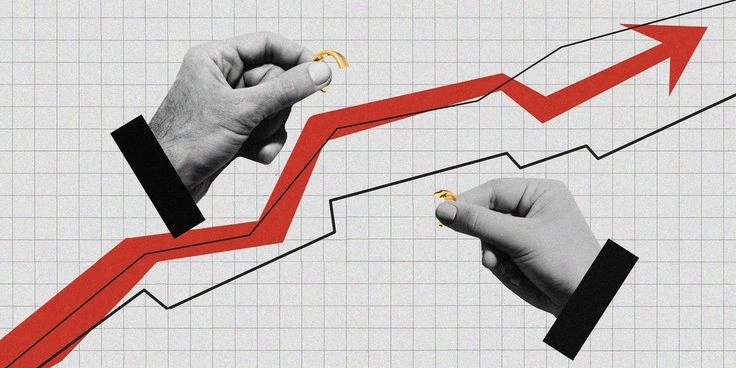

The next global shock economic risks will likely differ from the crises that shaped the global economy over the past decade. Previous shocks often resulted from financial instability, pandemics, or sudden geopolitical conflicts. Today, however, businesses face a broader mix of risks, including artificial intelligence, cyber threats, climate events, supply chain restructuring, and growing geopolitical competition.
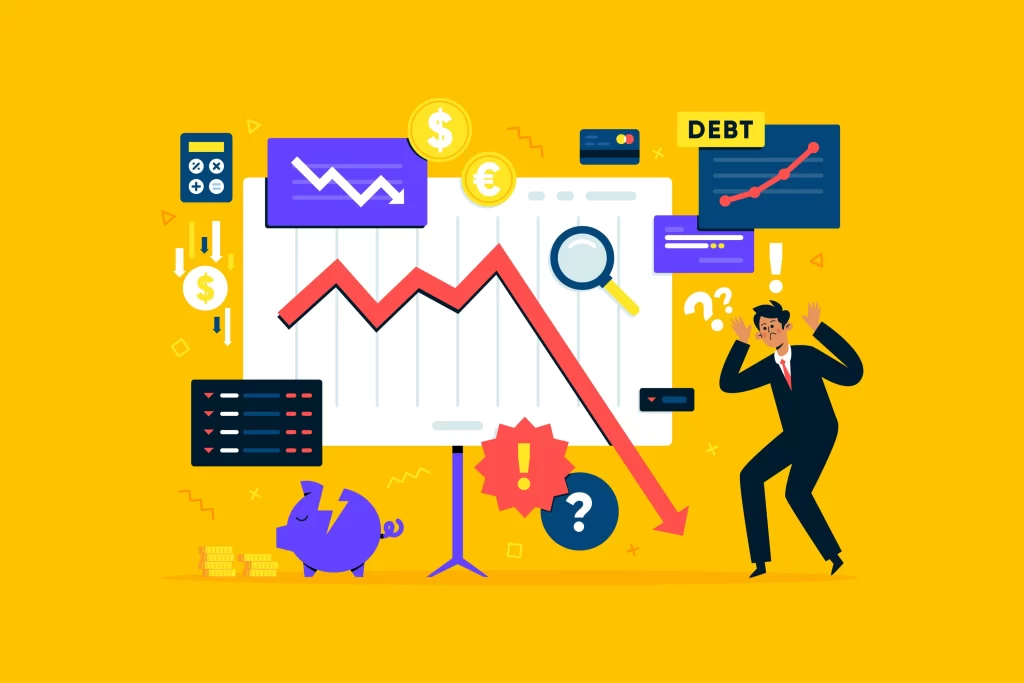
Because these risks interact with one another, the next major disruption may develop gradually instead of appearing overnight. Therefore, organizations that prepare early will have a stronger chance of adapting successfully.
Why Future Crises May Be Harder to Recognize
Many people expect future economic shocks to resemble previous ones. However, global conditions have changed significantly.
Modern economies depend on digital infrastructure, international supply chains, cloud computing, and real-time data. Consequently, disruptions can spread across industries within hours instead of weeks.
At the same time, multiple smaller events can combine into one larger economic challenge. A cyberattack, for example, may interrupt logistics while geopolitical tensions increase energy prices and extreme weather delays manufacturing.
This combination creates a more complex risk environment than businesses have experienced before.
Learn more about custom carpet manufacturing.
Technology Creates New Opportunities and New Risks
Technology continues to improve productivity, but it also introduces new vulnerabilities.
Artificial intelligence automates business processes and accelerates decision-making. Meanwhile, cloud platforms connect global operations more efficiently than ever before. However, greater digital dependence increases exposure to cybersecurity threats, system failures, and misinformation.
Businesses should view technology as both an opportunity and a responsibility.
Organizations that strengthen digital security while adopting new technologies will remain better prepared for unexpected disruptions.
Supply Chains Continue to Evolve
Global supply chains have become more flexible, but they also remain vulnerable to unexpected events.
Many companies now diversify suppliers and relocate production closer to key markets. This strategy reduces dependence on a single country while improving operational resilience.
Even so, transportation bottlenecks, trade restrictions, and regional conflicts can still interrupt production. Therefore, businesses should continue monitoring supply chain risks rather than assuming recent improvements will eliminate future disruptions.
Climate Risks Are Becoming Business Risks
Climate-related events increasingly influence economic performance.
Floods, droughts, wildfires, and severe storms can interrupt manufacturing, damage infrastructure, and delay transportation networks. As these events become more frequent in some regions, businesses must include environmental risks in their long-term planning.
Companies that invest in resilient facilities, diversified operations, and emergency response plans can recover more quickly after major disruptions.
Geopolitical Competition Will Continue to Shape Markets
Governments increasingly prioritize economic security alongside economic growth.
Trade policies, export controls, and strategic investments now influence industries such as semiconductors, renewable energy, artificial intelligence, and advanced manufacturing.
As a result, companies operating internationally must evaluate political developments alongside financial performance. Businesses that understand geopolitical trends can adjust investment strategies before market conditions change.
How Businesses Can Prepare for the Next Global Shock
No organization can predict every crisis. Nevertheless, every business can improve its resilience.
Leaders should focus on several practical actions:
- Diversify suppliers across multiple regions.
- Strengthen cybersecurity systems.
- Invest in digital transformation.
- Build healthy cash reserves.
- Develop flexible business continuity plans.
- Monitor geopolitical and economic indicators regularly.
Together, these strategies reduce risk while improving long-term stability.
Adaptability Will Become the Greatest Competitive Advantage
The next global shock may not begin with a financial crisis or a public health emergency. Instead, it could emerge through a combination of technological disruption, geopolitical uncertainty, environmental events, and shifting consumer behavior.
Therefore, businesses should prioritize adaptability instead of relying on fixed long-term assumptions.
Organizations that encourage innovation, respond quickly to market changes, and continuously evaluate risk will recover faster when disruptions occur.
Final Thoughts
The next global shock economic risks will likely emerge from multiple interconnected forces rather than a single unexpected event. Technology, climate change, geopolitical competition, and evolving supply chains are already reshaping how businesses operate around the world.
Instead of waiting for the next crisis to unfold, organizations should strengthen resilience today. Companies that invest in flexibility, digital capabilities, and proactive risk management will be better positioned to navigate uncertainty and achieve sustainable growth in the years ahead.