
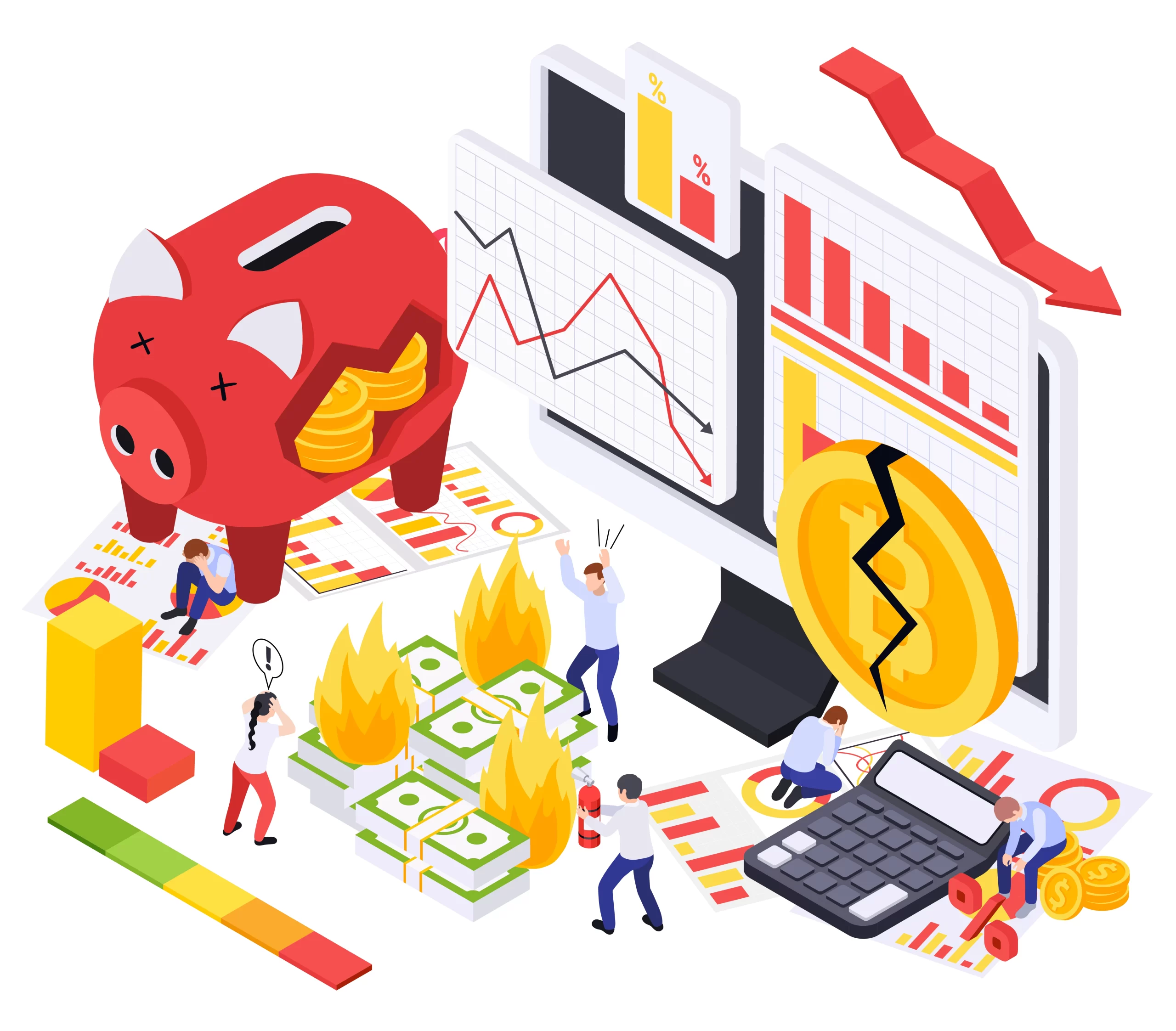

The geopolitical tensions global economy relationship has become one of the most important topics for businesses, investors, and policymakers. Regional conflicts, trade disputes, economic sanctions, and diplomatic disagreements now influence markets far beyond national borders. As a result, companies face higher costs, supply chain disruptions, and greater uncertainty when planning for the future.
Although globalization continues to connect economies, rising geopolitical tensions are changing how countries trade, invest, and build long-term economic partnerships.

Why Geopolitical Tensions Matter More Than Ever
Modern economies rely on international trade, global manufacturing, and cross-border investment. Therefore, disruptions in one region can quickly affect businesses on the other side of the world.
For example, restrictions on exports, shipping delays, or political conflicts can interrupt the movement of raw materials and finished products. Consequently, companies experience production delays, inventory shortages, and higher operating costs.
This growing interconnectedness means geopolitical developments have become economic events rather than purely political ones.
Supply Chains Are Becoming More Regional
For decades, many businesses built supply chains around efficiency and low production costs. Today, resilience has become just as important.
Many companies now diversify suppliers, relocate manufacturing closer to customers, or develop regional production networks. This strategy reduces dependence on a single country and lowers the risk of unexpected disruptions.
Although these changes increase short-term investment, they often strengthen long-term business stability.
Learn more about durable custom carpet options.
Trade Policies Are Changing Global Competition
Governments increasingly use tariffs, export controls, and industrial policies to protect strategic industries.
These measures affect sectors such as:
- Semiconductor manufacturing
- Electric vehicles
- Renewable energy
- Artificial intelligence
- Critical minerals
- Advanced technology
As governments prioritize national security alongside economic growth, businesses must adapt to a more complex global trading environment.
Energy Markets Remain Highly Sensitive
Energy prices often respond immediately to geopolitical uncertainty.
Conflicts involving major oil or natural gas producers can increase fuel prices within days. Higher energy costs then affect transportation, manufacturing, agriculture, and consumer prices.
Consequently, many countries continue investing in renewable energy, battery technology, and diversified energy supplies to reduce long-term dependence on unstable markets.
Investment Decisions Are Becoming More Strategic
Businesses no longer evaluate investment opportunities based only on labor costs or market size.
Today, executives also consider political stability, regulatory certainty, cybersecurity risks, and supply chain resilience before expanding into new markets.
As a result, companies increasingly balance efficiency with long-term risk management.
This shift encourages businesses to build more flexible and diversified operations.
Technology Is Reshaping Economic Competition
Technology has become a central part of geopolitical competition.
Countries continue investing heavily in artificial intelligence, semiconductor production, quantum computing, and cybersecurity. These industries influence both economic competitiveness and national security.
For businesses, technological leadership creates opportunities for innovation while increasing the importance of intellectual property protection and digital resilience.
Organizations that invest in technology responsibly will likely remain more competitive in the coming years.
How Businesses Can Respond
Companies cannot control geopolitical events, but they can prepare for them.
Effective strategies include:
- Diversify suppliers across multiple regions.
- Monitor geopolitical developments regularly.
- Strengthen cybersecurity systems.
- Build emergency supply chain plans.
- Invest in digital transformation.
- Maintain healthy cash flow reserves.
These actions improve business resilience while reducing exposure to unexpected disruptions.
Looking Ahead
Geopolitical tensions will likely continue influencing the global economy for years to come. While international cooperation remains essential, businesses should expect greater competition, evolving regulations, and changing trade relationships.
Organizations that remain flexible, invest in innovation, and strengthen operational resilience will be better prepared for future uncertainty.
Rather than reacting to every global event, successful companies will develop strategies that allow them to adapt quickly as conditions change.
Final Thoughts
The geopolitical tensions global economy connection is reshaping how countries trade, businesses invest, and industries compete. Supply chains are becoming more resilient, technology is driving new forms of competition, and energy security has become a strategic priority.
Although geopolitical uncertainty creates significant challenges, it also encourages businesses to become more adaptable and forward-thinking. Companies that diversify operations, embrace innovation, and monitor global developments will be better positioned for sustainable growth in an increasingly interconnected world.
Discover high-quality custom carpet designs for your project.